Robotics: Shaping the Future of Automation
Robotics is revolutionizing industries and transforming our daily lives. From manufacturing floors to operating rooms, robots are enhancing efficiency, precision, and safety across various sectors.
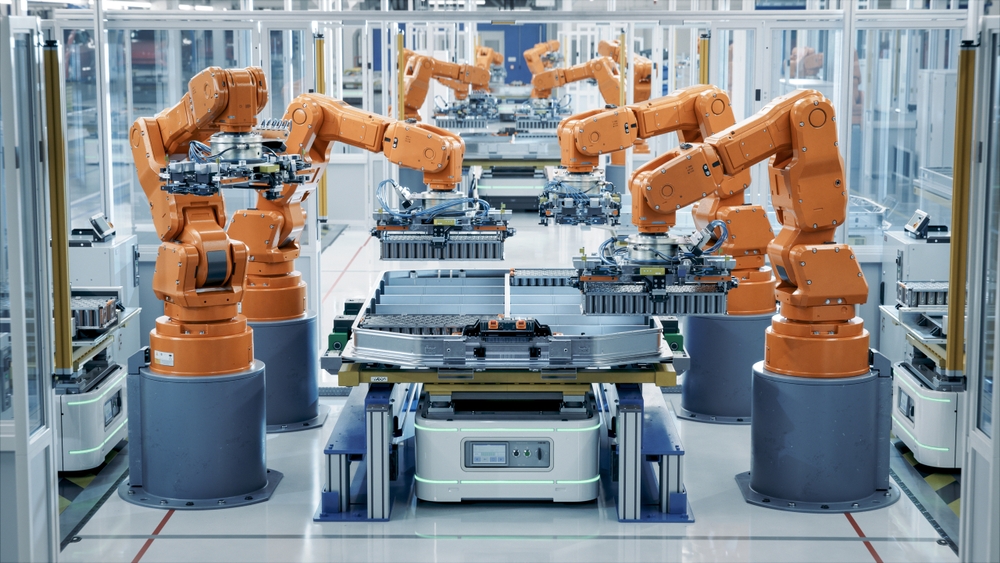
Key Applications of Robotics
- Manufacturing: Precision assembly, quality control, and automated production lines
- Healthcare: Surgical assistance, rehabilitation robotics, and automated patient care
- Agriculture: Automated harvesting, crop monitoring, and precision farming
- Space Exploration: Planetary rovers, satellite maintenance, and space station assistance
- Logistics: Warehouse automation, inventory management, and autonomous delivery systems
- Education: STEM learning tools and interactive educational robots
- Entertainment: Animatronics, interactive exhibits, and robotic performers
The field of robotics continues to evolve rapidly, driven by advancements in AI, machine learning, sensor technologies, and materials science.
Recent Advancements in Robotics
- Soft Robotics: Flexible, adaptable robots inspired by biological systems
- Swarm Robotics: Coordinated groups of simple robots working together to accomplish complex tasks
- Humanoid Robots: Advanced bipedal robots with improved balance and dexterity
- Nanorobotics: Microscopic robots with potential applications in medicine and materials science
- Collaborative Robots (Cobots): Robots designed to work safely alongside humans in shared workspaces
Challenges and Ethical Considerations
As robotics technology advances, we must address important challenges and ethical considerations:
- Ensuring robot safety and reliability in human environments
- Addressing potential job displacement due to automation
- Developing ethical guidelines for AI-powered robots
- Protecting privacy and data security in robotic systems
- Ensuring equitable access to robotic technologies across society
The Future of Robotics
Looking ahead, we can expect robotics to play an increasingly significant role in our lives, with developments such as:
- More sophisticated AI integration for enhanced decision-making and adaptability
- Improved human-robot interaction through natural language processing and gesture recognition
- Advancements in robot locomotion, including more efficient bipedal walking and flight
- Increased use of robotics in elderly care and assistive technologies
- Development of self-repairing and potentially self-replicating robots
- Integration of robotics with other emerging technologies like 5G, IoT, and augmented reality
Humanoid Robots: The Next Frontier
Humanoid robots are designed to mimic human form and behavior, with potential applications in various fields including healthcare, customer service, and manufacturing.
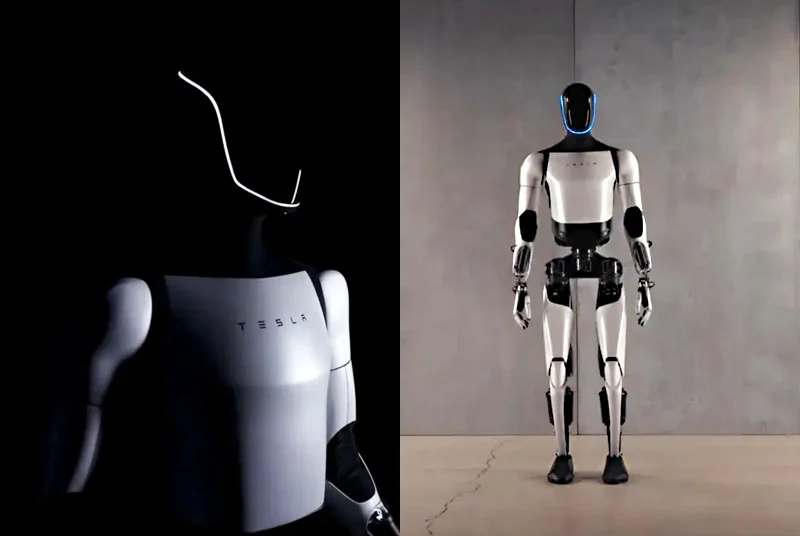
Spotlight: Tesla Optimus
The Tesla Optimus, also known as Tesla Bot, is a humanoid robot unveiled by Tesla in 2021. Key features include:
- Height: 5'8" (173 cm)
- Weight: 125 lbs (57 kg)
- Carrying capacity: 45 lbs (20 kg)
- Speed: Up to 5 mph (8 km/h)
- AI-powered vision and neural networks for navigation and task execution
- Designed for general-purpose tasks to assist humans in daily activities and work
While still in development, the Tesla Optimus represents a significant step towards creating versatile humanoid robots that could revolutionize various industries and everyday life.